Sikkim Travel Guide – Places to Visit, Food, Stay, Itinerary & Travel Tips
- My Journey to Sikkim
- Places to Visit in Sikkim
- What to Eat in Sikkim
- Things to Do in Sikkim
- Where to Stay in Sikkim
- How to Reach Sikkim
- 5-Day Itinerary for Sikkim
- Budget Breakdown (Approx.)
- Travel Tips for Sikkim
Sikkim is a small Himalayan state in northeastern India known for its mountains, monasteries, lakes, and scenic landscapes. The state shares borders with Nepal, Bhutan, and China, making it an important region both geographically and culturally.
The capital city Gangtok serves as the main base for travelers exploring the region. From here, visitors can access popular attractions such as Tsomgo Lake, Nathula Pass, and several monasteries and mountain viewpoints.
Sikkim is also known for its clean environment, organized tourism system, and peaceful atmosphere compared to many other hill destinations. Travelers visit the state to experience mountain landscapes, explore Buddhist monasteries, and enjoy local culture and food.
My Journey to Sikkim
My trip to Sikkim happened shortly after my birthday in July 2018. I was looking for a mountain destination where I could experience nature, peaceful surroundings, and a completely different landscape from the cities I usually travel to.
The journey started from Pune, from where I took a flight to Kolkata. After spending some time in Kolkata, I continued the journey towards the northeast. From Kolkata, I took a bus to Siliguri, which serves as the main gateway to Sikkim.
From Siliguri, I booked a seat in a shared Sumo taxi, which is one of the most common ways travelers reach Sikkim. These vehicles usually carry several passengers and travel through the winding mountain roads towards Gangtok.
The road journey from Siliguri to Gangtok was one of the most memorable parts of the trip. As the vehicle started climbing into the hills, the scenery slowly changed from plains to mountain landscapes. The road followed the beautiful Teesta River, with green mountains, waterfalls, and small towns appearing along the way.
After several hours of travel through the mountains, I finally reached Gangtok, the capital city of Sikkim. The cool mountain air, colorful buildings, and peaceful surroundings immediately made it feel very different from the busy cities I had just traveled through.
I spent the next five days exploring Sikkim, visiting monasteries, lakes, mountain viewpoints, and experiencing the unique culture of the region. The trip turned out to be a refreshing and memorable journey through one of India’s most beautiful Himalayan destinations.
Places to Visit in Sikkim
Sikkim is divided into four main regions — East, North, South, and West — and each region offers different experiences ranging from monasteries and lakes to mountain villages and scenic viewpoints. While many travelers stay in Gangtok as a base, exploring different parts of the state helps you experience the diversity of landscapes and culture that Sikkim offers.
East Sikkim (Around Gangtok)
MG Marg – MG Marg is the main pedestrian street in Gangtok and one of the most popular places to spend time in the city. The street is clean, well-maintained, and lined with shops, restaurants, cafes, and souvenir stores. Vehicles are not allowed here, which makes it a pleasant place for evening walks. Visitors often come here to shop for local handicrafts, enjoy food, and experience the lively atmosphere of Gangtok.
Tsomgo Lake – Also known as Changu Lake, Tsomgo Lake is a beautiful glacial lake located about 40 km from Gangtok at an altitude of around 12,000 feet. Surrounded by mountains, the lake reflects the changing colors of the sky and the surrounding landscape. During winter the lake often freezes, while in summer the area is filled with blooming alpine flowers. Due to its high altitude, visitors need a permit to visit this location.
Baba Harbhajan Singh Temple – This temple is dedicated to Harbhajan Singh, an Indian soldier who is believed by locals and army personnel to continue protecting the region even after his death. Located near Nathula Pass, the temple is visited by both tourists and soldiers. The place carries a strong sense of devotion and is one of the unique attractions in East Sikkim.
Tashi View Point – Tashi View Point is one of the best places near Gangtok to enjoy panoramic views of the Kanchenjunga range. On clear mornings, visitors can see stunning views of the snow-covered mountains. Sunrise is considered the best time to visit this viewpoint.
Ganesh Tok and Hanuman Tok – These two hilltop temples are located close to Gangtok and are known for their peaceful environment and scenic viewpoints. Ganesh Tok is a small temple dedicated to Lord Ganesha, while Hanuman Tok is dedicated to Lord Hanuman and maintained by the Indian Army. Both locations offer beautiful views of Gangtok and the surrounding mountains.
Do Drul Chorten – Do Drul Chorten is one of the most important stupas in Sikkim. The stupa is surrounded by 108 prayer wheels, and devotees walk around it while spinning the wheels as part of Buddhist prayer rituals. The site is peaceful and reflects the spiritual culture of the region.
Enchey Monastery – Enchey Monastery is a historic Buddhist monastery located a short distance from Gangtok. The monastery is known for its traditional Tibetan architecture and calm surroundings. It is an important spiritual center where monks perform rituals and festivals throughout the year.
North Sikkim
North Sikkim is known for its dramatic landscapes, high-altitude lakes, and remote mountain villages. This region requires travel permits and is usually explored through guided tours from Gangtok.
Lachung – Lachung is a picturesque mountain village surrounded by rivers, waterfalls, and snow-covered peaks. It serves as the main base for travelers visiting Yumthang Valley and nearby attractions. The village offers beautiful scenery and a peaceful Himalayan atmosphere.
Yumthang Valley – Often called the Valley of Flowers of Sikkim, Yumthang Valley is famous for its colorful alpine flowers during spring and summer. In winter, the valley transforms into a snow-covered landscape. The area also has natural hot springs that attract visitors throughout the year.
Zero Point – Zero Point, also known as Yumesamdong, is located near the Indo-China border at a very high altitude. The area is usually covered in snow for most of the year and offers stunning views of the surrounding Himalayan mountains. It is one of the most adventurous destinations in Sikkim.
Lachen – Lachen is another beautiful mountain village in North Sikkim and serves as the base for visiting Gurudongmar Lake. The village is quieter compared to other tourist areas and offers a peaceful environment surrounded by mountains.
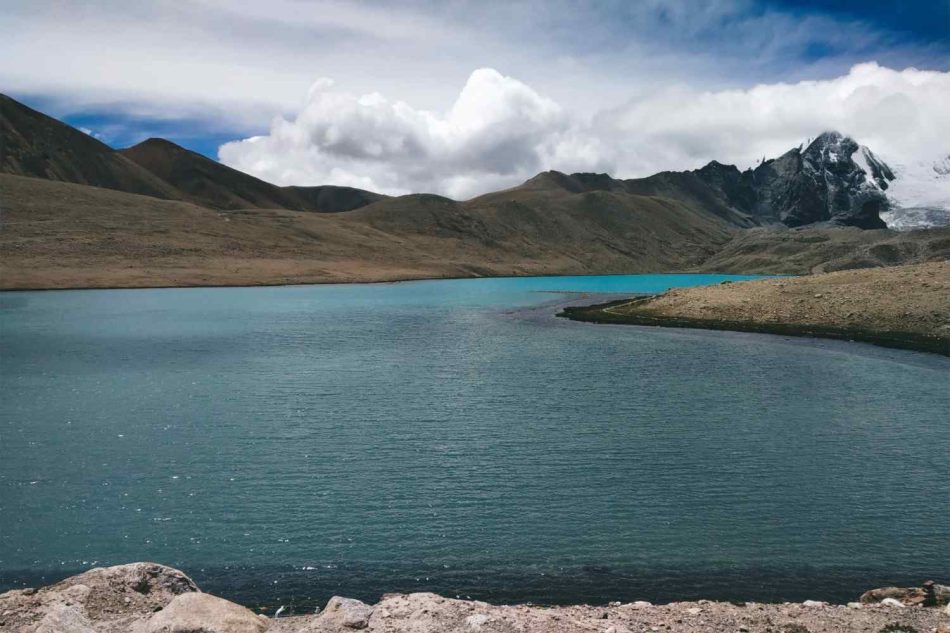
Gurudongmar Lake – Gurudongmar Lake is one of the highest lakes in the world, located at an altitude of over 17,000 feet. The lake is considered sacred by Buddhists, Sikhs, and Hindus. Its clear blue water surrounded by snow-covered mountains creates a stunning landscape.
South Sikkim
South Sikkim is known for spiritual landmarks and scenic viewpoints.
Namchi – Namchi is a popular town known for the Char Dham complex, which recreates the four sacred pilgrimage sites of India. The complex includes replicas of Badrinath, Dwarka, Jagannath, and Rameswaram temples.
Samdruptse Hill – Samdruptse Hill is famous for its giant statue of Guru Padmasambhava, also known as Guru Rinpoche. The statue overlooks the surrounding valleys and is considered a sacred site for Buddhist devotees.
Temi Tea Garden – Temi Tea Garden is the only tea estate in Sikkim and is known for producing high-quality organic tea. The plantation is surrounded by rolling hills and offers scenic views that attract visitors looking for a peaceful nature experience.
West Sikkim
West Sikkim is known for monasteries, historical sites, and mountain viewpoints.
Pelling – Pelling is a beautiful hill town offering stunning views of the Kanchenjunga range. The town is known for its peaceful atmosphere and several nearby attractions.
Pemayangtse Monastery – Pemayangtse Monastery is one of the oldest monasteries in Sikkim. The monastery is known for its intricate architecture and religious significance in the Buddhist community.
Rabdentse Ruins – Rabdentse Ruins are the remains of the former capital of the Kingdom of Sikkim. The site offers historical insights along with beautiful views of the surrounding valleys.
Sikkim Skywalk and Chenrezig Statue – The Sikkim Skywalk is India’s first glass skywalk, offering panoramic views of the mountains. Nearby stands the large Chenrezig statue, representing the Buddhist deity of compassion.
Zuluk – Zuluk is a small mountain village located along the historic Silk Route. The area is famous for the Zuluk Loops, a series of zigzag mountain roads that offer spectacular Himalayan views.
Ravangla – Ravangla is a quiet hill town known for the Buddha Park, which features a large Buddha statue surrounded by gardens and mountain views.
Siddhesvara Dham – Siddhesvara Dham, also known as the Char Dham complex, is a spiritual destination located on Solophok Hill. The site features replicas of important Hindu pilgrimage temples and offers scenic views of the surrounding valleys.
What to Eat in Sikkim
Sikkim’s cuisine is a flavorful blend of Tibetan, Nepali, and local Himalayan influences. Most dishes are warm, earthy, and comforting — perfect for the cold mountain weather and the soul. Here are some must-try foods you shouldn’t leave Sikkim without tasting:
Momos You haven’t really been to Sikkim unless you’ve had their freshly steamed momos. Stuffed with vegetables, chicken, or pork — often with a local twist using herbs like timur (Sichuan pepper) — they’re served piping hot with fiery red chutney. Try them from MG Road street stalls or cozy cafés.
Thukpa A hot, hearty noodle soup packed with vegetables, meat, and Himalayan spices. This dish is a winter staple and a perfect cure for mountain chills. You’ll find both clear and spicy versions in almost every eatery across the state.
Gundruk Soup Made from fermented leafy greens, this dish has a strong, tangy flavor that’s unique to the region. Usually served with rice or as a side dish, it’s full of probiotics and reflects the Sikkimese-Nepali influence.
Sael Roti with Aloo Dum A ring-shaped deep-fried rice bread often served during festivals, paired with spicy potato curry. It’s a beloved combo in Sikkimese homes and a must-try if you’re exploring local dhabas or homestays.
Butter Tea (Po Cha) Traditional Tibetan-style tea made with yak butter, salt, and tea leaves. It’s rich, salty, and definitely an acquired taste — but worth trying at least once for the experience and warmth it brings in cold weather.
Local Fermented Drinks Ask locals about Tongba (millet beer served in a bamboo tumbler) or Chhang, a mild, fermented rice drink. Often homemade and shared during special occasions, these drinks offer a glimpse into traditional Himalayan hospitality.
Things to Do in Sikkim
Sikkim offers a mix of nature, adventure, monasteries, and scenic experiences, making it ideal for both relaxed and active trips. Here are some key things you can do:
Explore Gangtok City – Spend time in Gangtok exploring MG Marg, local cafés, markets, and viewpoints. It’s a good place to experience the local vibe and start your trip.
Visit Tsomgo Lake & Nathula Pass – Take a day trip to Tsomgo Lake and Nathula Pass, known for high‑altitude views, snow (in winter), and scenic roads.
Explore North Sikkim (Lachung & Yumthang) – Travel to Lachung and visit Yumthang Valley, famous for wide valleys, rivers, and seasonal flowers or snow.
Visit Gurudongmar Lake (Optional) – One of the highest lakes in the world, Gurudongmar Lake offers a unique high‑altitude experience (requires a separate trip and permit).
Explore Monasteries – Sikkim is known for its monasteries. Visit places like Rumtek Monastery and Pemayangtse Monastery for peaceful surroundings and cultural experience.
Visit Pelling & Skywalk – Head to Pelling for views of Kanchenjunga and visit the famous skywalk near the Chenrezig statue.
Enjoy River Rafting in Teesta River – Try white water rafting in the Teesta River for a bit of adventure. It’s suitable for beginners as well.
Try Local Food & Cafés – Taste local dishes like momos, thukpa, and Tibetan cuisine in Gangtok and nearby towns. Small cafés offer a cozy experience.
Visit Waterfalls & Scenic Spots – Stop at places like Seven Sisters Waterfall during your journey. Many scenic stops are part of the travel experience.
Shop for Local Products – Buy souvenirs like handicrafts, woolens, tea, and local products from markets in Gangtok.
Where to Stay in Sikkim
Sikkim offers a variety of accommodation options ranging from budget guesthouses and homestays to luxury resorts with scenic mountain views. Most travelers stay in Gangtok, which serves as the main base for exploring nearby attractions such as Tsomgo Lake and Nathula Pass. Many hotels in Gangtok also provide beautiful views of the surrounding Himalayan mountains.
Budget Hotels
1. Hotel Yavachi – Hotel Yavachi is a budget-friendly stay option offering clean and comfortable rooms with basic amenities. The hotel is located close to the city center, making it convenient for travelers who want easy access to local markets, restaurants, and sightseeing spots around Gangtok.
📍 Address: Gangtok, Sikkim
🔗 Google Maps: https://maps.google.com/?q=Hotel+Yavachi+Gangtok
2. Tag Along Backpackers – Tag Along Backpackers is a popular hostel among backpackers and solo travelers. The property offers dormitories as well as private rooms along with common areas where travelers can relax and interact. It provides a friendly and social environment for people exploring Sikkim on a budget.
📍 Address: Gangtok, Sikkim
🔗 Google Maps: https://maps.google.com/?q=Tag+Along+Backpackers+Gangtok
3. Hotel Green View – Hotel Green View is another affordable accommodation option known for its comfortable rooms and basic facilities. The hotel provides a convenient stay for travelers looking for a simple yet pleasant place to stay while exploring Gangtok and nearby attractions.
📍 Address: Gangtok, Sikkim
🔗 Google Maps: https://maps.google.com/?q=Hotel+Green+View+Gangtok
Mid-Range Hotels
1. The Elgin Nor-Khill – The Elgin Nor-Khill is a well-known heritage hotel offering a blend of traditional architecture and modern comfort. The property provides elegant rooms, beautiful gardens, and views of the surrounding mountains, making it a great choice for travelers looking for a comfortable stay in Gangtok.
📍 Address: Gangtok, Sikkim
🔗 Google Maps: https://maps.google.com/?q=Elgin+Nor+Khill+Gangtok
2. Summit Golden Crescent – Summit Golden Crescent is a comfortable mid-range hotel offering spacious rooms and good hospitality. The hotel also has a restaurant serving local and Indian dishes, making it a convenient option for families and travelers staying for a few days in Gangtok.
📍 Address: Gangtok, Sikkim
🔗 Google Maps: https://maps.google.com/?q=Summit+Golden+Crescent+Gangtok
3. Hotel Sonam Delek – Hotel Sonam Delek is known for its warm hospitality and scenic views of the mountains. The hotel offers comfortable rooms and a peaceful environment, making it a popular choice for visitors looking for a relaxing stay in Gangtok.
📍 Address: Gangtok, Sikkim
🔗 Google Maps: https://maps.google.com/?q=Hotel+Sonam+Delek+Gangtok
Luxury Hotels
1. Mayfair Spa Resort & Casino – Mayfair Spa Resort & Casino is one of the most luxurious properties in Sikkim. The resort offers spacious rooms, spa facilities, beautiful gardens, and high-end hospitality. It is an excellent choice for travelers looking for a premium and relaxing mountain stay.
📍 Address: Gangtok, Sikkim
🔗 Google Maps: https://maps.google.com/?q=Mayfair+Spa+Resort+Gangtok
2. The Elgin Mount Pandim – The Elgin Mount Pandim is a luxury heritage resort located in Pelling. The property offers spectacular views of Kanchenjunga along with elegant rooms and traditional hospitality, making it one of the most scenic places to stay in Sikkim.
📍 Address: Pelling, Sikkim
🔗 Google Maps: https://maps.google.com/?q=Elgin+Mount+Pandim+Pelling
3. WelcomHeritage Denzong Regency – WelcomHeritage Denzong Regency is a luxury hotel known for its elegant interiors, spacious rooms, and excellent hospitality. The hotel also offers stunning views of the surrounding mountains and is located close to the main attractions in Gangtok.
📍 Address: Gangtok, Sikkim
🔗 Google Maps: https://maps.google.com/?q=Denzong+Regency+Gangtok
How to Reach Sikkim
Sikkim is located in northeastern India and is well connected by air, train, and road. The most common entry point to Sikkim is through Gangtok, the capital city. Since Sikkim does not have a major railway network, most travelers reach the state via nearby cities in West Bengal.
By Air
The nearest airport is Pakyong Airport, located about 30 km from Gangtok. However, flight availability is limited.
Most travelers prefer flying to Bagdogra Airport, which is about 125 km from Gangtok. From the airport, taxis and shared vehicles are available to reach Gangtok. The road journey usually takes around 4–5 hours through scenic mountain roads.
By Train
The nearest railway station is New Jalpaiguri Railway Station, commonly known as NJP. It is well connected with major cities like Kolkata, Delhi, and Guwahati.
From NJP, travelers can hire taxis or take shared jeeps to reach Gangtok. The journey usually takes 4–5 hours depending on road and weather conditions.
By Road
Traveling by road is the most common way to reach Sikkim. The route from Siliguri to Gangtok offers scenic views of rivers, hills, and forests.
Approximate road distances:
• Siliguri to Gangtok – 115 km
• Darjeeling to Gangtok – 100 km
• Kolkata to Gangtok – 675 km
Shared jeeps and taxis are commonly used by travelers for this route.
By Bus
Regular buses operate from Siliguri and nearby towns to Gangtok. State transport buses and private buses provide economical travel options for visitors.
5-Day Itinerary for Sikkim
Exploring Sikkim properly requires a few days because many attractions are located in different regions of the state. A 5-day itinerary allows travelers to explore Gangtok and nearby destinations while also experiencing the scenic landscapes of North Sikkim.
Day 1: Arrival in Gangtok
Morning
Arrive at Bagdogra Airport or New Jalpaiguri Railway Station and begin your journey towards Gangtok. The road trip usually takes around 4–5 hours, passing through scenic mountain roads and the beautiful Teesta River.
After reaching Gangtok, check into your hotel and take some time to rest after the long journey.
Afternoon
Start exploring the city by visiting Do Drul Chorten, one of the most important Buddhist stupas in Sikkim. Nearby, you can also visit Enchey Monastery, a peaceful monastery surrounded by greenery.
Evening
Spend the evening at MG Marg, the main street of Gangtok. The area is full of cafes, restaurants, and shops where you can enjoy local food, buy souvenirs, and experience the lively atmosphere of the city.
Day 2: Tsomgo Lake & Nathula Pass
Morning
Start early in the morning for a trip to Tsomgo Lake, located about 40 km from Gangtok. This glacial lake is surrounded by mountains and offers beautiful reflections of the sky and nearby peaks.
Afternoon
Continue the journey towards Nathula Pass, a historic mountain pass on the Indo-China border. The area offers stunning views of the Himalayas and is an important part of the old Silk Route.
Evening
On the return journey, visit Baba Harbhajan Singh Temple, a sacred temple dedicated to an Indian soldier believed to continue protecting the region. Return to Gangtok by evening and relax after the day’s high-altitude travel.
Day 3: Local Gangtok Sightseeing
Morning
Start the day by visiting Tashi View Point, which offers panoramic views of the Kanchenjunga range during clear mornings.
Afternoon
Visit the hilltop temples Ganesh Tok and Hanuman Tok, both known for peaceful surroundings and scenic views of Gangtok city and the mountains.
Evening
Spend the rest of the evening exploring local markets in Gangtok or relaxing at one of the cafes along MG Marg.
Day 4: North Sikkim – Lachung & Yumthang Valley
Morning
Start early for a journey towards Lachung, a small mountain village located in North Sikkim. The route passes through waterfalls, rivers, and scenic mountain landscapes.
Afternoon
Continue towards Yumthang Valley, also known as the Valley of Flowers of Sikkim. During spring and summer the valley is filled with colorful alpine flowers, while winter brings snow-covered landscapes.
Evening
Return to Lachung and stay overnight in a local hotel or guesthouse. The village offers a peaceful mountain environment surrounded by forests and mountains.
Day 5: Return to Gangtok & Departure
Morning
After breakfast, begin the journey back towards Gangtok while enjoying the scenic mountain views along the way.
Afternoon
Reach Gangtok and prepare for your return journey to Bagdogra Airport or New Jalpaiguri Railway Station.
Evening
Depart for your onward destination after completing your memorable Sikkim trip.
Note: Sikkim has many beautiful destinations spread across different regions of the state. Since this itinerary is designed for 5 days, it covers some of the most accessible places around Gangtok and nearby areas. Not all places mentioned in the Places to Visit section are included in this itinerary, as exploring the entire state would require more days. You can customize the plan based on your travel duration, or simply contact us if you would like help planning your Sikkim trip.
Budget Breakdown (Approx.)
| Expense Category | Estimated Cost (INR) |
|---|---|
| Flight to Bagdogra | 4,000 – 9,000 |
| Train to NJP | 500 – 1,500 |
| Taxi NJP/Bagdogra to Gangtok | 500 – 3,000 |
| Stay (Budget Hotel – 4 Nights) | 3,000 – 6,000 |
| Stay (Mid-Range Hotel – 4 Nights) | 8,000 – 15,000 |
| Stay (Luxury Hotel – 4 Nights) | 20,000+ |
| Food (5 Days) | 1,500 – 3,500 |
| Sightseeing & Local Transport | 2,000 – 6,000 |
Estimated Total Budget
| Trip Type | Estimated Total Cost (INR) |
|---|---|
| Budget Trip | 8,000 – 15,000 |
| Mid-Range Trip | 18,000 – 35,000 |
| Luxury Trip | 40,000+ |
Travel Tips for Sikkim
- Best Time to Visit:
March to June and September to November are considered the best seasons to visit Sikkim. - Carry Warm Clothing:
Even during summer, temperatures in higher altitudes like Tsomgo Lake and Nathula Pass can be cold. - Permits Are Required:
Places like Nathula Pass and North Sikkim require special permits arranged by travel agents or hotels. - Travel with Local Vehicles:
Many high-altitude areas can only be accessed through registered local vehicles arranged by tour operators. - Respect Local Culture:
Sikkim has a strong Buddhist culture, so visitors should maintain respectful behavior while visiting monasteries and temples. - Prepare for Mountain Roads:
Road journeys can be long and winding, so keep motion sickness medicines if needed.
A trip to Sikkim offers a unique experience of Himalayan landscapes, monasteries, and peaceful mountain towns. From the lively streets of Gangtok to the scenic beauty of Yumthang Valley and the high-altitude views of Nathula Pass, the state provides a memorable travel experience.
With proper planning, even a 5-day Sikkim trip can cover many of the region’s major attractions while giving travelers a chance to enjoy the natural beauty and culture of the eastern Himalayas.
 TRAVEL AND HEAL

3 thoughts on “Sikkim”